
Real estate transactions in Hamilton County represent one of the most significant financial decisions individuals and businesses make. Whether you’re purchasing your first home, selling commercial property, or investing in vacant land, understanding how these transactions work is essential. This comprehensive guide walks you through every aspect of Hamilton County real estate transactions, from understanding what they are to accessing public records and making informed property decisions. By exploring transaction types, recording processes, and practical search methods, you’ll gain the knowledge needed to navigate Hamilton County’s real estate landscape with confidence.
What Is a Real Estate Transaction in Hamilton County? (Simple Explanation)
A real estate transaction in Hamilton County refers to the legal transfer of property ownership from one party to another. This process involves multiple steps including negotiation, contract signing, payment processing, and official recording with county offices. Every time a property changes hands—whether through a sale, gift, inheritance, or foreclosure a transaction record is created and maintained by county officials.
These transactions are documented to establish clear ownership chains, protect buyer and seller rights, and maintain accurate property tax assessments. The documentation includes essential details such as sale price, property location, parcel identification numbers, and the names of all parties involved. Understanding these basics helps property buyers, sellers, and investors make better decisions throughout their real estate journey.

Types of Real Estate Transactions Recorded in Hamilton County
Hamilton County records various types of property transfers, each serving different purposes and involving unique processes. Knowing which category your transaction falls into helps you prepare appropriate documentation and understand applicable regulations.
Residential Property Sales
Residential property sales make up the majority of real estate transactions in Hamilton County. These involve:
- Single-family homes
- Condominiums and townhouses
- Multi-family properties (duplexes, triplexes)
- Mobile homes on owned land
The residential market sees constant activity as families relocate, first-time buyers enter the market, and investors acquire rental properties.
Commercial Property Transfers
Commercial transactions involve properties used for business purposes including:
- Office buildings and retail spaces
- Industrial warehouses and manufacturing facilities
- Restaurant locations and hotels
- Mixed-use developments
These transactions typically involve higher values and more complex negotiations than residential sales.
Vacant Land Transactions
Land purchases represent opportunities for future development or investment. Categories include:
- Undeveloped residential lots
- Agricultural land and farmland
- Commercial development parcels
- Recreational property
Inherited & Gifted Properties
Not all property transfers involve monetary exchanges. These include:
- Estate transfers following someone’s passing
- Gifts between family members
- Trust-to-beneficiary transfers
- Divorce-related property divisions
How Real Estate Transactions Are Recorded in Hamilton County
The recording process ensures legal protection and public transparency for all property transfers. Understanding this process helps you track your transaction’s progress and verify its completion.
When a real estate transaction occurs, several steps follow in sequence. First, the buyer and seller sign a purchase agreement outlining terms and conditions. Next, title searches verify ownership and identify any liens or encumbrances. After closing, the deed documenting the ownership transfer is prepared and signed by all parties. This deed is then submitted to the appropriate county office for official recording, creating a permanent public record.
The recording timestamps the transaction, establishing legal priority over any subsequent claims. County offices index these records by property address, parcel number, and parties’ names, making them searchable for future reference. This systematic approach protects property rights and provides transparency for market participants, lenders, and government agencies.

Role of the Hamilton County Auditor in Real Estate Transactions
The county auditor plays a crucial role in the real estate transaction ecosystem, though their responsibilities differ from other county offices. The auditor’s office maintains property records, calculates property values for taxation purposes, and tracks ownership changes to ensure accurate tax assessments.
When properties transfer, the auditor’s office updates ownership records and may reassess property values based on sale prices and market conditions. This information helps determine annual property tax bills. The auditor also provides public access to property information including ownership history, assessed values, tax status, and parcel details. While auditors don’t approve or deny transactions, their record-keeping and valuation work affects every property owner in Hamilton County. Understanding this role helps property buyers anticipate tax implications and access important property data.
Key Information Included in a Hamilton County Real Estate Transaction Record
Transaction records contain valuable information for buyers, sellers, researchers, and investors. Understanding what’s included helps you extract maximum value from these public records.
Essential Transaction Details:
| Information Type | Description |
|---|---|
| Sale Price | The amount paid for the property transfer |
| Property Address | Complete street address and location |
| Parcel Number | Unique identifier for tax and record purposes |
| Buyer Names | Legal names of all purchasing parties |
| Seller Names | Legal names of all transferring parties |
| Transfer Date | Official date the transaction was recorded |
| Legal Description | Technical property boundary description |
| Property Type | Classification (residential, commercial, land) |
Additional information may include mortgage amounts, property square footage, lot size, and special conditions affecting the transfer. This comprehensive data enables market analysis, property research, and investment decision-making.
How to Search Hamilton County Real Estate Transaction Records Online
Accessing transaction records online has become increasingly convenient, allowing property research from anywhere with internet access. Multiple methods exist for searching these public records.
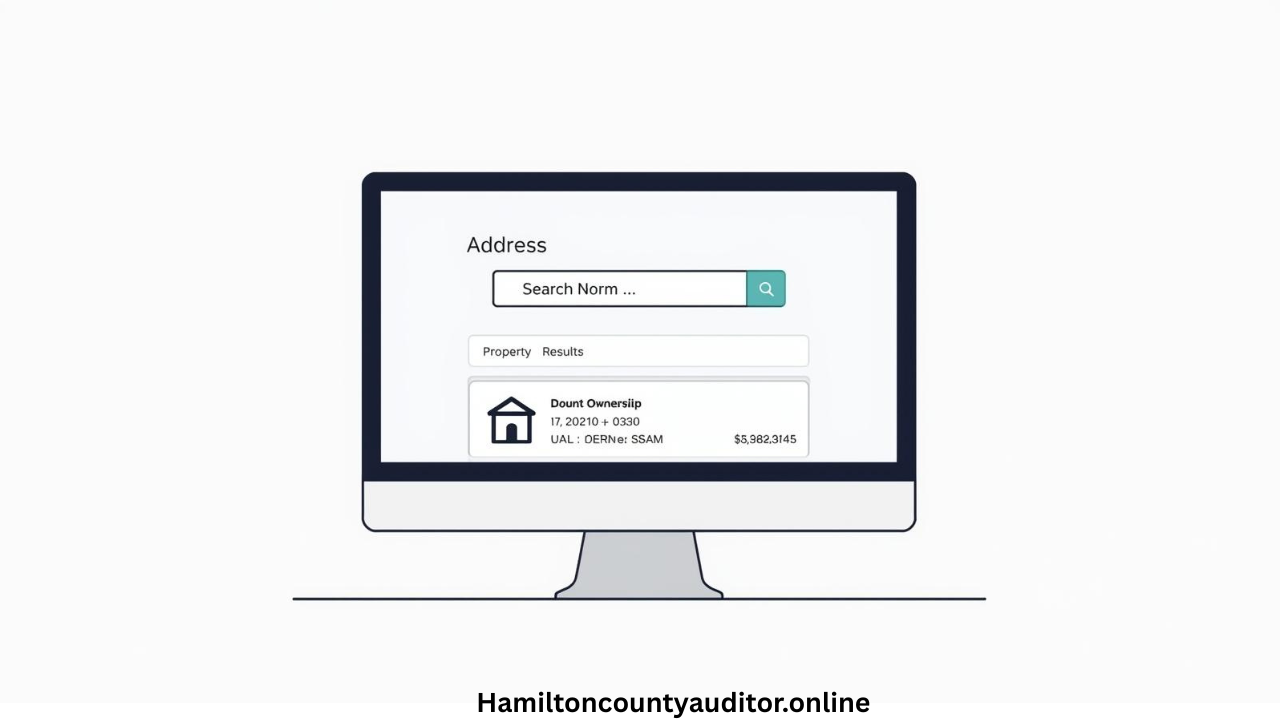
Most county systems offer search capabilities through official websites or third-party databases that aggregate public information. You can typically search by property address, owner name, or parcel number. Some systems provide advanced filters for transaction date ranges, property types, or sale price ranges. Many databases display search results with basic information and offer detailed reports for individual properties.
When conducting searches, start with the most specific information available, such as a complete address or exact parcel number. If that doesn’t yield results, try broader searches using partial addresses or last names only. Remember that data updates may occur with slight delays, so very recent transactions might not immediately appear in search results.
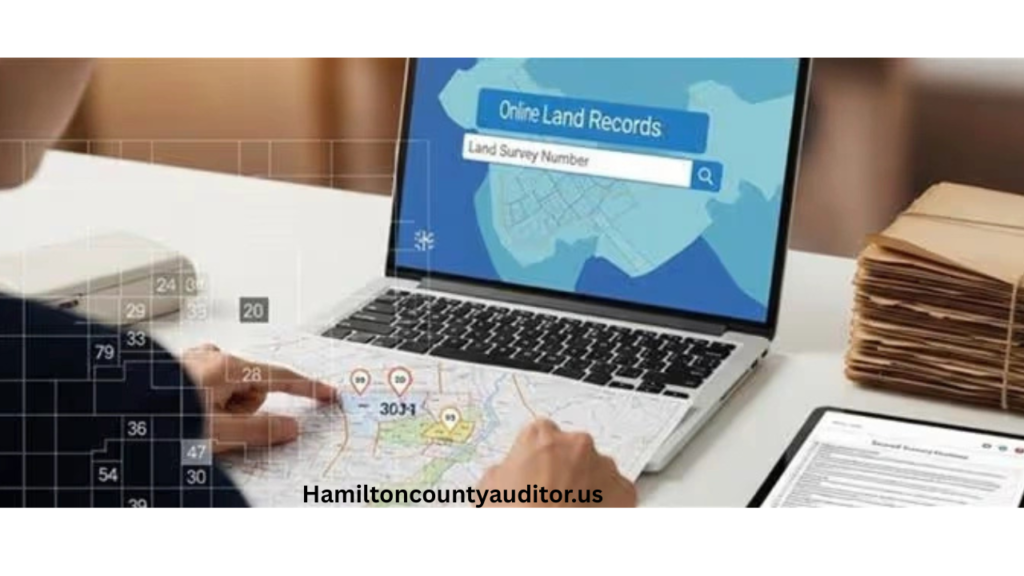
Step-by-Step Guide: Finding Property Transaction History in Hamilton County
Follow these steps to efficiently locate property transaction records and build complete ownership histories:
Step 1: Gather Property Information Collect the property address, parcel number if available, and approximate transaction dates you want to research.
Step 2: Access the Search Portal Navigate to the appropriate database or website offering Hamilton County property records.
Step 3: Enter Search Criteria Input your property information using the available search fields. Start with the most specific data available.
Step 4: Review Search Results Examine the list of matching properties or transactions. Verify you’ve found the correct property by confirming address and parcel details.
Step 5: Access Detailed Records Click on the specific property or transaction to view comprehensive information including sale prices, dates, and parties involved.
Step 6: Document Your Findings Save, print, or screenshot relevant information for your records. Note the date you accessed the information.
Step 7: Verify Information Cross-reference important details with multiple sources when making significant financial decisions.
Why Real Estate Transaction Records Matter for Buyers & Investors
Transaction records serve multiple critical functions for various stakeholders in the real estate market. Understanding their importance helps you leverage this data effectively.
Price Comparison and Market Analysis
Historical sale prices reveal property value trends and help buyers determine fair market prices. Investors analyze transaction data to identify undervalued properties or emerging market opportunities.
Market Trends Identification
Tracking transaction volumes, price movements, and property types sold provides insights into market health. Areas with increasing sales activity may indicate growing neighborhoods worth investing in.
Legal Verification and Due Diligence
Transaction records confirm ownership chains and reveal potential title issues. Buyers use this information to ensure sellers have legitimate ownership rights before completing purchases.
Investment Strategy Development
Real estate investors rely on transaction data to develop acquisition strategies, identify profitable markets, and forecast future returns. Understanding neighborhood transaction patterns informs better investment decisions.
Understanding Sale Prices vs. Market Value in Hamilton County
A common point of confusion involves the difference between recorded sale prices and assessed market values. These figures serve different purposes and often differ significantly.
Sale prices represent the actual amount buyers paid for properties in completed transactions. These reflect market conditions at the time of sale, negotiation outcomes, property conditions, and buyer-seller motivations. Sale prices appear in transaction records and provide real-world market data.
Market value, determined by county auditors, represents the estimated worth of properties for taxation purposes. Auditors conduct periodic assessments using comparable sales, property characteristics, and standardized valuation methods. These assessed values may differ from sale prices due to assessment timing, market fluctuations, or property improvements made after the last assessment.
Neither figure is inherently more “correct”—they serve different purposes. Sale prices reflect actual market activity while assessed values provide consistent taxation bases. Savvy buyers and investors consider both when evaluating properties.
Common Reasons Property Transactions Get Delayed or Rejected
Understanding potential obstacles helps buyers and sellers avoid delays and ensure smooth transaction completion. Several common issues can interrupt the transfer process.
Title Issues: Liens, judgments, or unclear ownership chains must be resolved before completing transfers. These may require legal action or negotiations with creditors.
Financing Problems: Buyer loan denials or appraisal issues that don’t meet lender requirements can derail transactions even after contracts are signed.
Documentation Errors: Incorrect legal descriptions, misspelled names, or incomplete forms require corrections before recording offices accept submissions.
Property Defects: Inspection discoveries of significant problems may lead buyers to renegotiate terms or withdraw from transactions entirely.
Zoning and Code Violations: Unpermitted improvements or zoning compliance issues may need resolution before transfers can proceed.
Outstanding Taxes or Assessments: Unpaid property taxes or special assessments typically must be satisfied before ownership can transfer.
Real Estate Transfers: Sales, Foreclosures, and Family Transfers Explained
Different transfer types involve distinct processes and implications for parties involved. Understanding these differences helps you navigate your specific situation.
Traditional Sales
Standard market sales involve willing buyers and sellers negotiating terms. These typically include marketing periods, multiple showings, offer negotiations, and formal closings with all parties present or represented.
Foreclosure Transfers
When mortgage holders default on loans, lenders may force property sales through foreclosure proceedings. These transfers often occur at auction or through bank-owned property sales. Foreclosure records appear in transaction databases and may affect property marketability.
Family Transfers and Gifts
Property transfers between family members or as gifts may involve reduced prices or no monetary exchange. These still require proper documentation and recording. While sale prices may appear lower or absent, the transfers must follow legal requirements to establish clear ownership.
Estate and Inheritance Transfers
When property owners pass away, real estate transfers to heirs through probate processes or trust administration. These transfers may take months to complete and involve court oversight or trust document provisions.
How Often Are Hamilton County Real Estate Transaction Records Updated?
Record update frequency affects how quickly new transactions appear in searchable databases. Understanding typical timelines helps set appropriate expectations when researching recent activity.
Most county offices record transactions within a few business days of receiving properly completed documentation. However, database updates for public online searches may lag slightly behind official recordings. Typically, transactions appear in searchable systems within one to two weeks of the official recording date.
High-volume periods such as summer home-buying seasons may see slightly longer processing times. Additionally, complex transactions requiring additional documentation review may take longer to record. For time-sensitive research requiring the most current data, contact county offices directly to inquire about very recent transactions that may not yet appear in online systems.
Periodic system maintenance or database updates may temporarily affect search availability. Most offices announce planned maintenance through their websites or public notices.
Public Access to Real Estate Transaction Records in Hamilton County
Real estate transaction records are public information accessible to anyone interested in researching property data. This transparency serves important purposes for market participants and the general public.
Public access enables potential buyers to research neighborhoods, investors to analyze market trends, journalists to investigate property transactions, researchers to study housing markets, and neighbors to stay informed about area sales. This openness promotes market efficiency and transparency.
Access methods include online databases available 24/7, in-person visits to county offices during business hours, written requests for specific records, and third-party services that aggregate and present public data. While the information is public, some systems may charge fees for detailed reports or bulk data access.
No one needs to prove a specific interest or reason to access transaction records. The presumption of public access reflects democratic principles of government transparency and informed citizenry.
Important Things to Check Before Buying Property in Hamilton County
Due diligence before purchasing property protects buyers from unexpected problems and ensures informed decision-making. Several key areas deserve careful attention.
Ownership Verification:
- Confirm the seller legally owns the property
- Review ownership history for any irregularities
- Check for multiple owners requiring all signatures
Transaction History:
- Research past sale prices and dates
- Identify frequent ownership changes that may signal problems
- Note any foreclosure history
Tax Status:
- Verify current property taxes are paid
- Check for outstanding liens or assessments
- Review tax history for upcoming reassessments
Property Records:
- Confirm square footage and lot size match listings
- Verify property boundaries and legal descriptions
- Check for easements or restrictions
Market Comparisons:
- Compare asking prices to recent area sales
- Analyze neighborhood transaction trends
- Consider property value trajectories
Real Estate Transaction FAQs – Hamilton County
How long does it take to record a real estate transaction? Typically, properly submitted transactions record within 3-5 business days, though database updates for public searches may take an additional week.
Can I access transaction records for free? Basic searches are usually free through public databases, though detailed reports or bulk data may involve fees.
Why doesn’t the recorded sale price match what I paid? Some transfers occur as gifts or family transactions at below-market prices. Additionally, some states allow nominal prices to be recorded for privacy.
How far back do transaction records go? Most digital databases contain records from the past 20-30 years, with older records available through archived documents or microfilm.
What if I find errors in transaction records? Contact the recording office to report errors. Corrections typically require submitting amended documentation with proper evidence.
Are all property sales public record? Yes, all recorded real estate transactions become public record regardless of property type or sale price.
Difference Between County Auditor, Recorder, and Treasurer in Real Estate
Understanding the distinct roles of various county offices helps you direct questions and requests appropriately. While these offices work together, each has specific responsibilities.
County Auditor: The auditor maintains property ownership records, calculates assessed values for taxation, processes property transfers for tax purposes, and provides public access to property data. Auditors don’t record deeds but update ownership information after recording occurs.
County Recorder: The recorder officially documents and preserves deeds, mortgages, and other property documents. This office provides the legal recording that establishes ownership and maintains permanent document archives. Recordings create official timestamps establishing legal priority.
County Treasurer: The treasurer collects property taxes, maintains tax payment records, manages delinquent tax collections, and conducts tax certificate sales when necessary. This office handles the payment side of property taxation.
These offices coordinate to maintain accurate, up-to-date property records serving homeowners, buyers, sellers, and other stakeholders.
Helpful Tips for Using Hamilton County Real Estate Data Accurately
Maximizing the value of public real estate data requires understanding both its capabilities and limitations. These tips help ensure accurate research and informed decision-making.
Verify Information from Multiple Sources: Cross-reference important details across different databases and official records before making significant decisions based on transaction data.
Understand Data Limitations: Sale prices may not reflect actual market value due to unique circumstances. Assessed values update periodically and may lag market changes.
Consider Transaction Context: Below-market sales may indicate family transfers, estate situations, or property condition issues rather than true market values.
Note Recording Dates vs. Sale Dates: The recorded date may differ from the actual sale closing date by several days or weeks.
Use Parcel Numbers for Accuracy: Property addresses can change or vary in format. Parcel numbers provide consistent identification across all county systems.
Respect Privacy Considerations: While transaction data is public, use information responsibly and ethically.
Consult Professionals for Major Decisions: Real estate agents, attorneys, and appraisers provide expertise beyond what public records alone offer.
This Website Is Informational, Not an Official Government Source
Important Notice: This website (Hamilton county auditor) provides educational and informational content about real estate transactions and related topics in Hamilton County. However, this is not an official government website or a substitute for official county records or services.
The information presented here is compiled from publicly available sources and general knowledge about real estate processes. While we strive for accuracy, we cannot guarantee that all information is current, complete, or error-free. Real estate laws, procedures, and data change over time.
For official records, legal guidance, or authoritative information, please contact Hamilton County offices directly or consult with licensed professionals including real estate attorneys, certified agents, or title companies. Do not rely solely on information from this website for legal, financial, or real estate decisions.
This website is not affiliated with, endorsed by, or representing any official Hamilton County government office including the Auditor, Recorder, or Treasurer. Always verify critical information through official channels before taking action.
Final Thoughts:
Navigating real estate transactions requires knowledge, preparation, and access to accurate information. Understanding how Hamilton County records and processes property transfers empowers buyers, sellers, and investors to make confident decisions.
Transaction records provide valuable insights into property values, ownership histories, and market trends. By learning to access and interpret this public data, you gain advantages whether purchasing your first home, selling investment property, or analyzing market opportunities. Remember that while transaction records offer important factual information, successful real estate decisions combine multiple data sources with professional guidance.
The county’s systems for recording and maintaining property information serve essential functions protecting ownership rights, enabling informed transactions, and maintaining market transparency. As you engage with Hamilton County’s real estate market, leverage available resources while recognizing their appropriate uses and limitations.
Whether you’re beginning your property search or researching investment opportunities, understanding transaction processes and data sources positions you for success. Make informed decisions, verify important details, and consult professionals when needed to achieve your real estate goals in Hamilton County.
Frequently Asked Questions
1. What is a real estate transaction in Hamilton County?
A real estate transaction in Hamilton County refers to the legal transfer of property ownership, such as through a sale, gift, inheritance, or foreclosure.
2. Are Hamilton County real estate transaction records public?
Yes, most real estate transaction records in Hamilton County are public and available for informational and research purposes.
3. What information is included in a real estate transaction record?
A typical record includes the property address, parcel number, sale date, sale price, and the names of the buyer and seller.
4. How can I check property transaction history in Hamilton County?
You can search property transaction history using a property address or parcel number through publicly available online records.
5. What is the difference between sale price and market value?
The sale price is the amount agreed upon by the buyer and seller, while market value is an estimated value based on property assessment and market conditions.
6. Do family transfers count as real estate transactions?
Yes, property transfers through inheritance or gifting are considered real estate transactions and are recorded as part of public records.
7. How often are real estate transaction records updated in Hamilton County?
Records are updated whenever a property transfer is completed and the required documents are processed and recorded.
8. What should buyers check before purchasing property in Hamilton County?
Buyers should review ownership history, past sale prices, property tax status, and any legal restrictions on the property.
9. Does the Hamilton County Auditor handle property sales?
No, the auditor does not conduct property sales. The auditor’s role is to maintain property valuation and assessment information.
10. Is this website an official Hamilton County government website?
No, this website is for informational purposes only and is not an official government or county website.



Pingback: Hamilton County Property Tax - Look Up & Pay Now
Pingback: How to Find Hamilton County Arrests & Mugshots FAST (Free Search )