
Why People Search for Hamilton County Clerk of Courts
Every day, thousands of people search for information about the Hamilton County Clerk of Courts. Whether you’re checking the status of a pending case, verifying court dates, accessing criminal records, or simply trying to understand how the court system works, the Clerk of Courts office serves as the central hub for all court-related documentation and public records.
People need access to court records for various reasons from lawyers preparing cases to employers conducting background checks, from individuals monitoring their own legal matters to journalists researching public information. Understanding how to navigate the Clerk of Courts system can save you time, money, and unnecessary stress. The Clerk’s office maintains transparency in the judicial process by making court records accessible to the public, ensuring that justice remains open and accountable.
This comprehensive guide will walk you through everything you need to know about the Hamilton County Clerk of Courts, including how to search for cases, what types of records are available, the difference between various county offices, and how to access the services you need efficiently and accurately.
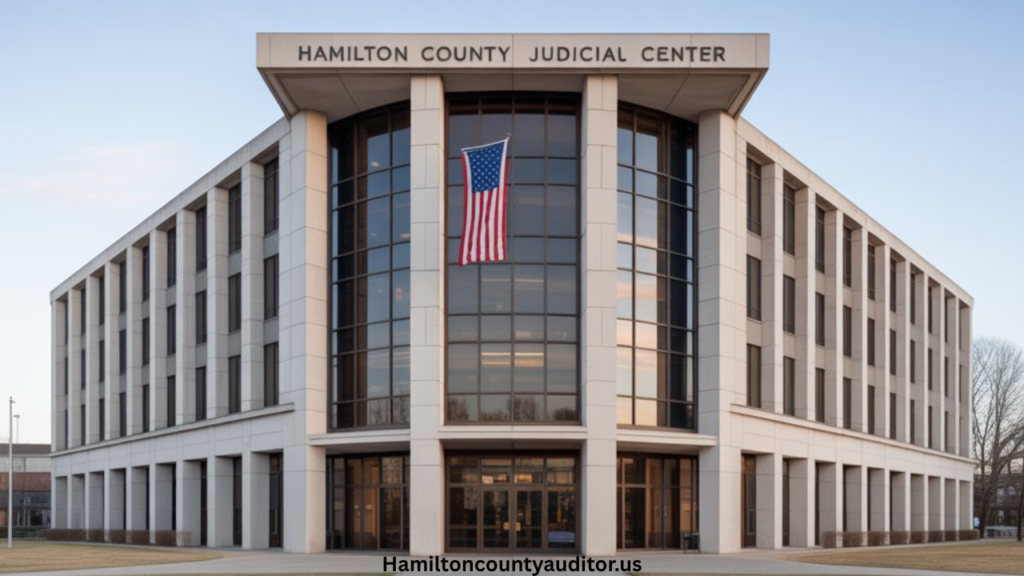
What Is the Hamilton County Clerk of Courts?
The Hamilton County Clerk of Courts is an elected official who serves as the chief administrative officer for the county’s court system. This office functions as the official record keeper for all court proceedings, maintaining accurate and complete documentation of every case filed within Hamilton County’s jurisdiction. The Clerk of Courts operates independently from judges and attorneys, serving as a neutral custodian of legal documents and court records.
Unlike judges who interpret law and make rulings, the Clerk of Courts handles the administrative side of the judicial system. This includes receiving and processing court filings, managing case files, maintaining dockets, collecting court fees and fines, issuing legal documents, and providing public access to court records. The office ensures that all documentation meets legal standards and that proper procedures are followed throughout each case’s lifecycle.
The Clerk of Courts office plays a vital role in maintaining the integrity of the judicial process. Every motion filed, every judgment entered, every court date scheduled all of these actions flow through the Clerk’s office. This centralized system ensures consistency, accuracy, and accessibility in court operations. The office also provides essential services to attorneys, litigants, and the general public, making it easier for everyone to participate in and understand the legal system.
The position requires a deep understanding of legal procedures, attention to detail, technological proficiency for managing digital records, and a commitment to public service. The Clerk must balance efficiency with accuracy, ensuring that records are maintained properly while also providing timely access to those who need them. This office serves as a bridge between the court system and the community, making justice more accessible and transparent for all citizens.
Key Responsibilities of the Hamilton County Clerk of Courts
The Hamilton County Clerk of Courts carries out numerous critical functions that keep the judicial system running smoothly. These responsibilities require precision, accountability, and adherence to strict legal standards. Understanding these duties helps citizens appreciate the complexity and importance of this office in maintaining justice and transparency within the community. The Clerk’s work impacts everyone from legal professionals to ordinary citizens seeking information about court proceedings.
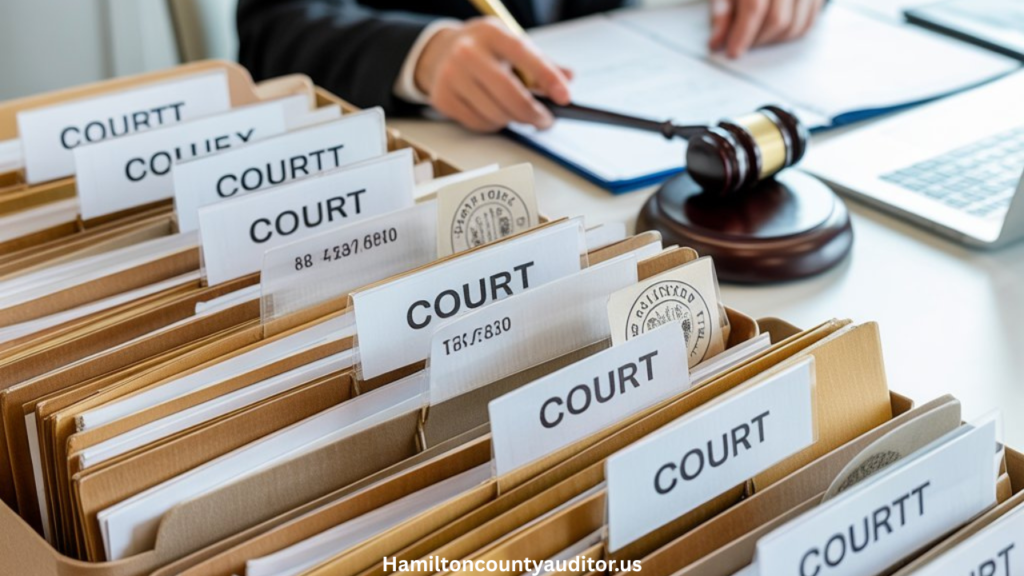
Maintaining Court Records
The Clerk of Courts serves as the official custodian of all court documents and case files within Hamilton County. This responsibility includes receiving, processing, indexing, and securely storing every document filed in criminal, civil, traffic, and appellate cases. Each document must be timestamped, properly catalogued, and made accessible according to legal requirements. The office maintains both physical and digital records, ensuring redundancy and preservation of historical court data.
Record maintenance extends beyond simple storage it involves creating comprehensive indexes that allow quick retrieval of information, implementing security measures to prevent tampering or unauthorized access, and ensuring compliance with retention schedules mandated by state law. The Clerk must also manage sensitive information appropriately, balancing public transparency with privacy protections for certain types of cases, particularly those involving juveniles or sealed records.
Managing Criminal & Civil Case Files
The Clerk’s office handles the complete lifecycle of both criminal and civil cases from initial filing through final disposition. For criminal cases, this includes arraignment documents, plea agreements, trial transcripts, sentencing orders, and probation records. Civil case management encompasses complaints, answers, discovery materials, motions, trial exhibits, judgments, and post-judgment proceedings like garnishments and liens.
Each case file must be meticulously organized and maintained according to strict protocols. The Clerk assigns case numbers, tracks court appearances, records all filed documents with proper timestamps, maintains party information, and ensures that judges, attorneys, and parties have access to necessary materials. This systematic approach prevents errors, delays, and confusion in the legal process. The office also manages financial aspects of cases, including collecting filing fees, court costs, fines, and restitution payments.
Processing Court Filings & Documents
Every legal document submitted to the court must pass through the Clerk’s office for processing. This includes initial complaints and petitions, responsive pleadings, motions, briefs, evidence submissions, and proposed orders. The Clerk reviews each filing for compliance with court rules, proper formatting, correct filing fees, and appropriate service of process. Documents that don’t meet requirements are rejected with explanations, ensuring that only properly prepared materials enter the official record.
The processing function has evolved significantly with electronic filing systems. The Clerk now manages both traditional paper filings and e-filing submissions, ensuring that both formats receive equal treatment and proper integration into case files. Staff must verify electronic signatures, check PDF formatting, ensure readability, and maintain backup systems. This hybrid approach requires technical expertise alongside traditional legal knowledge, making the office’s role more complex and technologically demanding than ever before.
Handling Case Dockets and Schedules
The Clerk of Courts coordinates with judges and attorneys to maintain accurate court calendars and case dockets. This includes scheduling hearings, trials, conferences, and other court proceedings, while avoiding conflicts and ensuring efficient use of courtroom time. The docket system must accommodate emergency matters, continuances, and last-minute changes while maintaining fairness and proper notice to all parties.
Docket management involves sending notices to parties and attorneys about upcoming court dates, posting daily court schedules, managing courtroom assignments, and coordinating with other county offices like the Sheriff’s department for prisoner transport. The Clerk’s office must also track case progression, identifying cases that have stalled or exceeded time standards, and generating reports for judges and administrators. This scheduling function keeps the entire court system moving forward efficiently and ensures that cases don’t languish without resolution.
Types of Court Cases Managed by the Clerk
The Hamilton County Clerk of Courts oversees a diverse range of case types, each with unique filing requirements, procedures, and documentation standards. Understanding these different categories helps citizens navigate the court system more effectively and know what to expect when searching for specific records. The variety of cases handled demonstrates the comprehensive nature of the Clerk’s responsibilities and the wide-reaching impact of court operations on the community.
Criminal Court Cases
Criminal cases involve allegations that an individual or entity has violated state or federal criminal laws. These cases range from minor misdemeanors like traffic violations and petty theft to serious felonies including murder, rape, robbery, and drug trafficking. The Clerk maintains records of every stage of criminal proceedings, including arrest warrants, initial appearances, preliminary hearings, grand jury indictments, arraignments, pre-trial motions, trial proceedings, verdicts, sentencing orders, and appeals.
Criminal case files contain sensitive information including police reports, victim statements, witness testimony, forensic evidence documentation, and defendant information. The Clerk must balance public access to court proceedings with privacy concerns and safety considerations. Some criminal records may be sealed by court order, expunged after certain conditions are met, or restricted to protect ongoing investigations. The office tracks defendants through the system, maintains accurate warrant information, and coordinates with law enforcement agencies and correctional facilities.
Civil Court Cases
Civil cases involve disputes between private parties, including individuals, businesses, and government entities, where one party seeks monetary damages or specific performance from another. Common civil cases include personal injury lawsuits, contract disputes, property disagreements, divorce and family law matters, foreclosures, landlord-tenant conflicts, and business litigation. Unlike criminal cases, civil proceedings don’t involve incarceration but may result in financial judgments, injunctions, or court orders requiring specific actions.
The Clerk processes civil filings including complaints, answers, counterclaims, discovery requests and responses, motions for summary judgment, trial briefs, and post-judgment collection proceedings. Civil cases often involve complex documentation, multiple parties, extensive discovery materials, and lengthy trial transcripts. The Clerk must maintain accurate records of all proceedings, track compliance with court orders, process garnishments and liens against property or wages, and facilitate enforcement of judgments. Many civil cases settle before trial, requiring the Clerk to file settlement agreements and dismissal orders while maintaining the complete case history.
Traffic & Municipal-Related Records
Traffic cases represent a significant portion of the Clerk’s workload, covering everything from speeding tickets and parking violations to driving under the influence (DUI) charges and license suspensions. The Clerk processes citations, schedules court appearances for contested tickets, records plea agreements, collects fines and court costs, and reports convictions to the state Bureau of Motor Vehicles. These cases require coordination with law enforcement agencies, traffic courts, and state licensing authorities.
Municipal cases include ordinance violations such as code enforcement matters, health department citations, zoning disputes, and other local law violations. These cases often involve property owners, businesses, or residents accused of violating county or municipal regulations. The Clerk maintains records of these proceedings, which may include administrative hearings, appeals to common pleas court, and enforcement actions. Many traffic and municipal matters are resolved quickly, but the Clerk must still maintain complete records for potential appeals and to ensure accurate criminal history reporting.
Appeals & Judgments
When parties disagree with a trial court’s decision, they may file appeals to higher courts. The Clerk of Courts prepares and transmits the complete trial record to appellate courts, including transcripts, exhibits, filed documents, and docket entries. This appellate record must be meticulously compiled and certified for accuracy, as it forms the basis for the appellate court’s review. The Clerk also receives and files appellate court decisions, ensuring that remanded cases are properly returned to trial courts for further proceedings.
Judgments represent the final decisions in cases, whether reached through trial, settlement, or default. The Clerk enters judgments into the official record, issues certified copies to prevailing parties, and maintains judgment liens that attach to defendants’ property. Post-judgment proceedings often extend for years as creditors seek to collect on judgments through wage garnishments, bank levies, and property seizures. The Clerk tracks satisfaction of judgments, records partial payments, and releases liens when judgments are fully paid, maintaining an accurate accounting of all financial obligations resulting from court decisions.
How to Access Hamilton County Court Records
Accessing court records is a fundamental right that supports transparency and public accountability in the judicial system. The Hamilton County Clerk of Courts has implemented multiple methods for searching and obtaining court records, balancing accessibility with security and privacy concerns. Whether you’re an attorney preparing for trial, an employer conducting background checks, a journalist researching public information, or an individual monitoring your own case, understanding how to navigate the record access system is essential.
Online Court Records Access
The most convenient method for accessing Hamilton County court records is through the online case search portal. This web-based system allows users to search for cases 24 hours a day, seven days a week, from any location with internet access. The online system contains information about both active and closed cases, including case numbers, party names, case types, filing dates, court dates, case status, and docket entries showing all documents filed and actions taken.
To access online records, users visit the Hamilton County Clerk of Courts website and navigate to the case search portal. The system typically requires no login or registration for basic searches, making public information readily available. However, some detailed documents or sensitive information may require authorized access or in-person requests. The online portal displays case summaries, docket sheets, and sometimes actual court documents depending on the case type and filing date. Users can search by various criteria and print or download the information they need.
The online system updates regularly, usually within 24 hours of court activity, though some documents may take longer to appear online. Electronic filing has accelerated this process, with many documents appearing almost immediately after submission. However, users should understand that the online system shows case information but may not include every document filed, particularly older cases that predate digital record-keeping. For complete case files, particularly in older cases or those with sealed documents, users may need to visit the Clerk’s office in person or submit formal record requests.
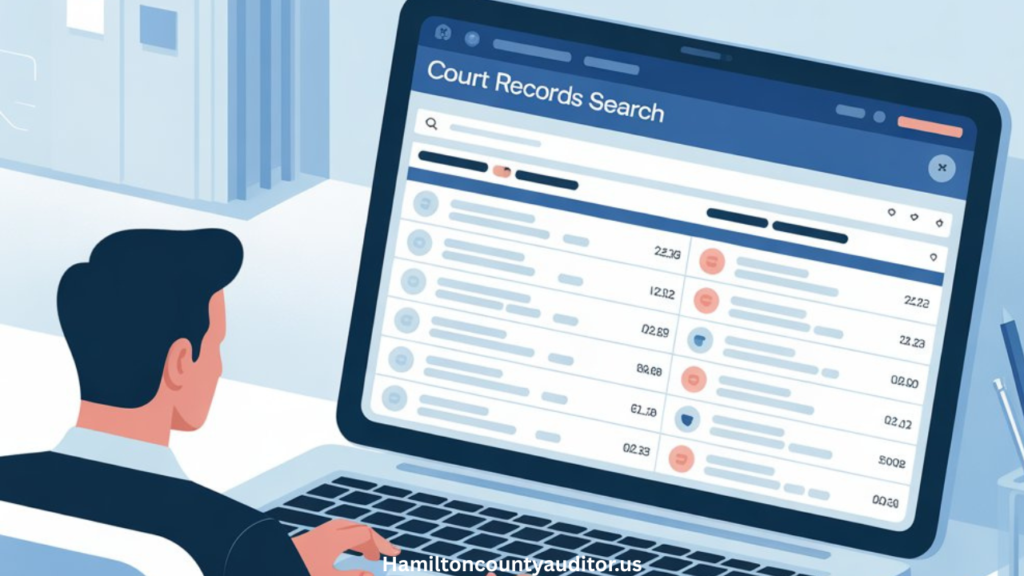
Case Number Search
Searching by case number is the most direct and accurate method for finding specific court records. Each case filed in Hamilton County receives a unique case number that follows a standardized format, typically including the year, court type code, and sequential number. If you know the exact case number, you can quickly retrieve all information about that case without sorting through similar names or unrelated matters.
To search by case number, users enter the complete number into the online portal exactly as formatted. The system immediately displays the case details, parties involved, case status, upcoming court dates, and a complete docket showing every filing and court action chronologically. This search method eliminates confusion when multiple people have similar names or when a party has been involved in numerous cases. Attorneys, parties to cases, and those with official business related to specific cases typically use this method.
Case numbers appear on all court documents, notices, and correspondence from the Clerk’s office. If you’ve received any official court paperwork, the case number will be prominently displayed, usually in the upper right corner or caption area. Keep this number readily available for any future inquiries or court appearances. When contacting the Clerk’s office by phone or in person, providing the case number enables staff to locate your case immediately and provide accurate information without delays.
Name-Based Case Lookup
When you don’t have a case number, searching by party name is the most common alternative. The online system allows searches by plaintiff name, defendant name, or other party designations depending on case type. Users enter a last name and optionally a first name to generate a list of all cases involving that party. Because common names may produce extensive results, adding first names, middle initials, or approximate filing dates helps narrow the search.
Name searches require some understanding of how the system indexes names. The database typically searches for exact matches, so variations in spelling, nicknames, or name changes may produce different results. For example, “Robert Smith,” “Bob Smith,” and “R. Smith” might be indexed separately. Women who have changed names through marriage may appear under different surnames in different cases. Businesses may be indexed under full legal names, abbreviated versions, or “doing business as” (DBA) names.
After entering search criteria, the system displays a list of matching cases with basic information like case number, case type, filing date, and current status. Users can then click on specific cases to view detailed information. When searching for someone with a common name, expect to review multiple results to identify the correct case. Pay attention to case type, filing date, and other parties’ names to confirm you’ve found the right matter. If you’re unsure about results or can’t locate a case you believe exists, contacting the Clerk’s office directly can provide assistance and clarification.
Public Access Rules
While court records are generally public information, important rules and restrictions govern access to protect privacy, ensure security, and comply with legal requirements. Not all information in case files is available to the general public. Certain types of cases and specific information within cases may be sealed, restricted, or redacted to protect sensitive data.
Cases involving juveniles are typically confidential and not accessible through public searches. Adoption records are sealed to protect the privacy of all parties. Certain mental health proceedings, protective orders with confidential addresses, and cases involving child victims of abuse have restricted access. Even in public cases, some information is redacted, including Social Security numbers, financial account numbers, dates of birth (except the year), and home addresses in certain contexts.
To access restricted information, users must demonstrate a legitimate purpose and may need to file a formal motion with the court. Parties to a case, their attorneys, and certain government officials typically have broader access rights. Victims of crimes may access case information related to their cases. Employers, landlords, and others conducting background checks can access public criminal and civil records but not sealed or expunged matters. The Clerk’s office staff can guide you through the process of requesting access to restricted information if you have appropriate authorization or legal basis for the request.
Online Case Search – What Information You Can Find
The online case search system maintained by the Hamilton County Clerk of Courts provides comprehensive information about court cases while respecting privacy and security requirements. Understanding what information is available online helps users conduct effective research and determine when they need to take additional steps to obtain complete records. The system has evolved significantly over the years, with newer cases offering more detailed online access than older matters that predate digital record-keeping.
Case Status: The current status of a case is one of the most frequently sought pieces of information. The online system displays whether a case is active, pending, closed, dismissed, or archived. For active cases, you can see what stage the case has reached—whether awaiting initial hearing, in discovery, scheduled for trial, or in post-judgment proceedings. Criminal cases show whether the defendant is at large, in custody, released on bond, or has completed sentencing. Civil cases indicate whether the matter has settled, gone to trial, or resulted in judgment. Understanding case status helps parties, attorneys, and interested individuals know what to expect next and whether they need to take any action.
Court Dates: The system displays all scheduled court dates including hearings, pre-trials, trials, sentencing, and other proceedings. Each entry typically includes the date, time, location, judge assigned, and purpose of the appearance. This information is crucial for parties and witnesses who must attend, attorneys who need to prepare, and others who may wish to observe public proceedings. The system usually updates court dates regularly, reflecting continuances, cancellations, or schedule changes. However, users should confirm dates before attending court, as last-minute changes may not appear immediately online. Many jurisdictions also provide daily court calendars showing all cases scheduled for specific dates.
Filing History: The docket sheet available online shows a complete chronological listing of every document filed and action taken in a case. Each entry includes the date, document type, filing party, and often a brief description. This filing history allows users to track the progression of a case from initial complaint through final resolution. You can see when complaints were filed, when defendants responded, what motions have been filed, how the court ruled on those motions, and when judgments were entered. For researchers, journalists, and legal professionals, this information provides valuable insight into case strategy, court decisions, and procedural history.
Party Names: The system identifies all parties involved in a case, including plaintiffs, defendants, appellants, appellees, petitioners, respondents, and third parties depending on case type. Criminal cases list the state as prosecutor and the defendant. Civil cases show all parties on both sides, which may include individuals, businesses, government entities, and other organizations. The system often includes attorney information, showing which lawyers represent which parties. This information helps identify all interested parties, determine representation status, and understand the scope of litigation. However, as noted earlier, some party information may be redacted or sealed in cases involving minors or protected individuals.
Case Outcomes: For closed cases, the online system typically shows the final disposition including how the case was resolved—whether through trial verdict, guilty plea, settlement, dismissal, or other conclusion. Criminal cases display conviction or acquittal, charges, sentences imposed, and conditions of probation or parole. Civil cases show whether the plaintiff won or lost, the amount of any monetary judgment, and whether appeals were filed. In cases that settled, the system may note “dismissed per settlement” without revealing settlement terms, which are often confidential. Understanding outcomes helps individuals researching prior cases, conducting background checks, or analyzing court trends and patterns.
| Information Type | Details Available | Update Frequency |
|---|---|---|
| Case Status | Active, Pending, Closed, Dismissed | Real-time to 24 hours |
| Court Dates | Hearing dates, times, locations, judges | Daily updates |
| Docket Entries | All filings, chronological order | Within 24 hours |
| Party Information | Names, attorneys, contact info | At filing, updated as needed |
| Case Outcomes | Verdicts, judgments, sentences | After final order entry |
Clerk of Courts vs Other County Offices
Hamilton County operates numerous offices that serve different governmental functions. Understanding the distinctions between these offices helps citizens contact the correct agency for their needs, avoiding wasted time and confusion. While some offices have overlapping responsibilities, each serves unique purposes within county government. The Clerk of Courts focuses specifically on judicial administrative functions, while other offices handle various aspects of property records, financial management, elections, and other governmental operations.
Clerk of Courts vs County Auditor
The Hamilton County Auditor serves as the county’s chief financial officer and property appraiser, handling responsibilities completely separate from court functions. The Auditor maintains property tax records, determines property values for taxation purposes, processes tax exemptions, and prepares tax duplicate records used for collecting property taxes. The Auditor also manages county finances, processes accounts payable, monitors budgets, and produces financial reports. Citizens contact the Auditor for property tax information, assessment appeals, tax bill questions, and county financial data.
In contrast, the Clerk of Courts manages court records, case files, and judicial proceedings. The Clerk does not handle property tax matters, assessments, or county financial operations. However, some overlap exists when court judgments result in liens against property—the Clerk enters these judgments, which then appear on property records maintained by the Auditor and Recorder. Understanding this distinction prevents confusion when people mistakenly contact the wrong office about tax matters or court cases.
Clerk of Courts vs Recorder
The Hamilton County Recorder maintains real estate records including deeds, mortgages, liens, and other documents affecting property ownership. When people buy or sell property, refinance mortgages, or have liens placed against their property, these transactions are recorded in the Recorder’s office. The Recorder creates the official public record of property ownership and claims against real estate within the county. Citizens visit the Recorder’s office to research property ownership history, verify mortgage information, or record documents affecting real property.
While both offices maintain public records, the Clerk of Courts handles court-related documents while the Recorder handles property-related documents. Court judgments create liens that must be recorded against property, creating the primary intersection between these offices. When a creditor obtains a judgment through court, the Clerk issues a certified copy that the creditor then files with the Recorder to create a lien against the debtor’s property. This coordination ensures that property records reflect legal claims arising from court proceedings, protecting purchasers and lenders who rely on these records.
Clerk of Courts vs Court Administrator
The Court Administrator oversees the operational aspects of the court system including personnel management, budgeting, facilities, technology, case flow management, and coordination between judges and various court departments. The Administrator implements policies, manages staff assignments, addresses operational problems, and ensures efficient court operations. This position focuses on administration and management rather than record-keeping and case processing.
The Clerk of Courts handles the documentary and case file management aspects of court operations, maintaining the official record of all proceedings. While the Court Administrator ensures courtrooms are properly staffed and equipped, the Clerk ensures that case files are properly maintained and accessible. These roles are complementary—the Administrator manages people and operations, while the Clerk manages documents and records. In some jurisdictions, these functions overlap or are combined, but in Hamilton County, they represent distinct offices with separate responsibilities. Citizens with questions about case records contact the Clerk, while operational or administrative concerns may be directed to the Court Administrator.
Public Records, Transparency & Legal Accuracy
The principle of public access to court records forms a cornerstone of American democracy and judicial transparency. Open courts allow citizens to observe government operations, hold officials accountable, ensure fair treatment, and maintain confidence in the justice system. The Hamilton County Clerk of Courts plays an essential role in preserving this transparency by maintaining accurate, complete, and accessible records of judicial proceedings while balancing legitimate privacy interests and security concerns.
Why Public Records Are Important: Public access to court records serves multiple critical functions in society. First, it enables accountability by allowing citizens, journalists, and watchdog organizations to monitor judicial proceedings, identify potential corruption or unfairness, and ensure that justice is administered equally regardless of wealth, status, or influence. When court proceedings are public, judges, attorneys, and parties must conduct themselves according to law and professional standards, knowing their actions are subject to scrutiny and review.
Second, public records serve educational purposes, allowing law students, researchers, journalists, and interested citizens to study the legal system, understand how laws are applied, and learn from past cases. Legal precedents develop through documented cases that serve as guidance for future similar matters. Third, public records facilitate commerce and civil society—employers conduct background checks, landlords verify tenant history, businesses research potential partners, and individuals verify credentials. Without access to court records, these essential functions would become difficult or impossible.
Transparency’s Role in Justice: Judicial transparency prevents secret proceedings, arbitrary decisions, and abuse of power. When cases are conducted publicly, parties receive fair treatment because their cases are subject to public observation. Witnesses testify truthfully knowing their testimony is recorded and may be scrutinized. Judges issue reasoned decisions knowing those decisions will face public examination. This transparency builds public trust in the legal system—people accept court decisions more readily when they can see that cases were handled fairly and according to established procedures.
However, transparency must balance with legitimate privacy interests. Cases involving juveniles, sealed settlements, trade secrets, confidential medical information, and national security matters may justify restrictions on public access. The Clerk of Courts implements these restrictions carefully, ensuring that only properly authorized restrictions apply while maximizing public access to appropriate information. This careful balance maintains transparency while protecting sensitive information that could cause harm if publicly disclosed.
Legal Accuracy Process: The Clerk of Courts employs rigorous procedures to ensure record accuracy, recognizing that court documents form the basis for legal rights, obligations, and precedents. Every document received is reviewed for completeness, proper formatting, correct case assignment, and compliance with filing rules. Documents are timestamped precisely to establish filing dates and times, which can be legally significant in establishing deadlines and priorities. Staff members trained in legal procedures verify that documents are properly signed, notarized when required, and accompanied by proper filing fees.
Once accepted for filing, documents are scanned or converted to digital format, indexed with appropriate keywords and metadata, and stored securely in both physical and electronic form. The Clerk implements redundant backup systems to prevent loss of records due to technical failures, disasters, or human error. Regular audits verify that records remain complete, accessible, and accurate over time. When errors are discovered, correction procedures follow strict protocols to ensure changes are documented, authorized, and traceable. This systematic approach to record-keeping ensures that court records remain reliable sources of legal information for generations to come.
Office Services Provided by the Clerk of Courts
Beyond maintaining records and facilitating case searches, the Hamilton County Clerk of Courts provides numerous direct services to attorneys, parties, and the public. These services support the effective operation of the court system and enable individuals to participate meaningfully in legal proceedings. Understanding available services helps users navigate the court system more effectively and access the assistance they need when dealing with legal matters.

Document Filing: The Clerk’s office accepts and processes legal documents for filing in court cases. This includes initial complaints and petitions that start new cases, responsive pleadings like answers and counterclaims, motions requesting court action, supporting briefs and memoranda, evidence and exhibits, proposed orders for judges to sign, and final judgments and decrees. The filing process has evolved to accommodate both traditional paper filings delivered in person or by mail and electronic filings submitted through online portals.
When filing documents, parties must comply with court rules regarding formatting, content, signature requirements, and fees. The Clerk’s staff reviews submissions for compliance and rejects deficient filings with explanations of necessary corrections. Properly filed documents receive a file-stamped copy showing the date and time of filing, which serves as proof of timely submission. The Clerk maintains the original filed documents in the official case file while returning copies to the filing party. Electronic filing systems provide automatic confirmation of receipt and filing, streamlining this process and reducing errors.
Certified Copies: Often, individuals and organizations need official certified copies of court documents for use in other proceedings, business transactions, or governmental applications. The Clerk issues certified copies with an official seal and signature attesting that the copy is a true and accurate reproduction of the original document on file. These certified copies carry legal weight and are accepted by other courts, government agencies, financial institutions, and businesses as official proof of court actions.
Common requests for certified copies include final divorce decrees needed for remarriage or name changes, judgments required for property transactions or credit applications, criminal case dispositions needed for employment or licensing, and orders needed for enforcement or appeal. The Clerk charges modest fees for certified copies to cover administrative costs. Requests can typically be made in person, by mail, or through online systems depending on the jurisdiction. Processing times vary based on request volume and case complexity, with most routine requests completed within several business days.
Court Fees Overview: The Clerk collects various fees associated with court proceedings, including filing fees for initiating cases, service fees for serving documents on parties, copy fees for duplicating case documents, and certification fees for official copies. These fees vary by case type and service requested, with criminal cases generally having lower fees than complex civil litigation. Fee schedules are established by state law and court rules, with the Clerk having no discretion to waive or modify fees except as specifically authorized.
In addition to standard court fees, the Clerk collects fines, costs, and restitution ordered by judges in criminal cases. This includes traffic fines, criminal fines, probation fees, public defender reimbursement, and victim restitution. The office maintains accounting systems to track payments, send billing statements, process payment plans, and report non-payment to collection agencies or probation officers. Payment options typically include cash, checks, money orders, credit cards (with processing fees), and online payment portals for convenience.
| Service Category | Examples | Typical Processing Time |
|---|---|---|
| Document Filing | Complaints, motions, orders | Immediate to 24 hours |
| Certified Copies | Judgments, decrees, orders | 1-5 business days |
| Payment Processing | Fees, fines, restitution | Immediate receipt, posted within 24 hours |
| Record Searches | Case lookups, party searches | Immediate online, same-day in person |
| Case Information | Status updates, court dates | Real-time to 24-hour delay |
Case Documentation Support: The Clerk’s office provides assistance to self-represented litigants and the general public in understanding court procedures and requirements. While Clerk staff cannot provide legal advice or tell people what documents to file, they can explain court rules, identify what forms might be needed for specific case types, clarify filing requirements, and direct people to appropriate resources. Many Clerk’s offices maintain form libraries with standard documents for common case types, making it easier for individuals to proceed without attorneys in simple matters.
Staff can explain the process for initiating cases, responding to lawsuits, filing motions, requesting hearings, and navigating post-judgment procedures. They can clarify deadlines, service requirements, and filing procedures. However, individuals with complex legal issues, significant assets at stake, or criminal charges should strongly consider consulting with attorneys, as even well-meaning self-representation can lead to serious errors and unfavorable outcomes. The Clerk’s assistance focuses on procedural matters rather than substantive legal strategy or advice.
Common Reasons People Contact the Clerk of Courts
Understanding why people typically contact the Clerk of Courts helps illustrate the office’s importance in the community and the diverse needs it serves. People reach out to the Clerk’s office for information, services, and assistance related to their involvement with the court system, whether as parties to cases, interested citizens, legal professionals, or entities conducting research. These common inquiries reflect the central role courts play in resolving disputes, enforcing laws, and maintaining public records.
Case Verification: Individuals frequently contact the Clerk to verify case information for various purposes. Employers conduct background checks on job applicants, checking for criminal convictions, pending charges, or civil judgments that might affect hiring decisions. Landlords research potential tenants to identify evictions, unlawful detainer actions, or civil judgments suggesting financial irresponsibility. Banks and lenders verify that loan applicants have no undisclosed judgments or liens that could affect creditworthiness. Professional licensing boards investigate whether applicants have criminal records or professional discipline proceedings.
Individuals also verify their own records to ensure accuracy before submitting applications for employment, professional licenses, security clearances, or immigration benefits. People may need to confirm that old cases are properly closed, that sentences have been completed, or that records have been sealed or expunged as ordered. Case verification provides essential due diligence for personal and business decisions, helping parties make informed choices while respecting the public’s right to access court information.
Court Date Confirmation: Parties and witnesses regularly contact the Clerk to confirm upcoming court appearances, verify hearing times and locations, and ensure they have current information. Court dates sometimes change due to judge availability, case settlements, continuance requests, or calendar conflicts. While most jurisdictions send official notices of court dates, these notices may not arrive timely or may contain errors. Confirming dates prevents missed appearances, which can result in default judgments, bench warrants, or other serious consequences.
Attorneys also verify court dates regularly, especially in jurisdictions where they handle numerous cases across multiple judges and courtrooms. The Clerk’s office provides daily court calendars showing all scheduled matters, helping parties and attorneys plan their days and ensure they appear at the correct times and locations. Online case search systems typically display upcoming court dates, but users often call or visit the Clerk’s office to confirm information or ask questions about procedures for specific hearings.
Legal Document Access: People request access to court documents for various legitimate reasons. Parties to cases need copies of orders, judgments, and filed documents for their records, for appeals, or for enforcement purposes. Attorneys need copies of documents from other parties’ cases for research, preparation, or to understand precedents. Journalists research court files to investigate stories of public interest. Academics and researchers study court records to analyze legal trends, judicial decision-making, or social issues reflected in litigation.
The Clerk’s office provides multiple ways to access documents including in-person review of case files, purchasing copies of specific documents, obtaining certified copies for official purposes, and accessing digital copies through online systems where available. Some jurisdictions restrict access to certain sensitive documents, requiring requesters to demonstrate legitimate need or obtain court permission. The Clerk balances broad public access with necessary protections, ensuring transparency while respecting privacy and security considerations.
Record Corrections: Occasionally, errors appear in court records due to typographical mistakes, incorrect information submitted by parties, data entry errors, or miscommunication. Common errors include misspelled names, incorrect dates of birth, wrong case numbers on documents, inaccurate addresses, or incorrect notation of court actions. These errors can cause problems when people conduct background checks, apply for jobs, or attempt to access their own records.
The Clerk’s office has procedures for correcting errors, though the process varies depending on the type of error and whose fault caused it. Clerical errors made by Clerk staff can often be corrected administratively without court order. Errors in documents filed by parties typically require the party to file corrected documents or motions asking the court to correct the record. Substantive errors in court orders or judgments require judges to issue corrections. The Clerk cannot change the substantive content of court orders or judgments without judicial authorization, as doing so would undermine the integrity of the legal process.
FAQs – Hamilton County Clerk of Courts
1. What does the Hamilton County Clerk of Courts do?
The Hamilton County Clerk of Courts serves as the official record keeper for all court proceedings in the county. The office maintains criminal, civil, traffic, and appellate case files; processes court documents; manages case schedules; collects fees and fines; and provides public access to court records through online and in-person services.
2. How can I search court records online?
You can search Hamilton County court records by visiting the Clerk of Courts website and accessing the online case search portal. The system allows searches by case number, party name, or case type. No login is required for basic public record searches, and the system is available 24/7 for your convenience.
3. Are criminal records public in Hamilton County?
Yes, most criminal court records in Hamilton County are public and accessible through the Clerk’s online portal or office. However, certain records may be sealed or restricted, including juvenile cases, expunged records, and cases involving protected victims. Sensitive information like Social Security numbers is redacted from public view.
4. What is the difference between Clerk of Courts and County Auditor?
The Clerk of Courts manages court records, case files, and judicial proceedings, while the County Auditor handles property tax assessments, county finances, and budget management. The Clerk deals with court matters; the Auditor deals with property taxes and financial operations. Contact the appropriate office based on your specific need.
5. Can I access court records without a case number?
Yes, you can search court records by party name (plaintiff or defendant) if you don’t have a case number. Enter the person’s last name and optionally first name in the online search portal. The system will display all matching cases, which you can review to find the specific case you’re looking for.
6. How do I get a certified copy of a court document?
To obtain a certified copy, visit the Clerk of Courts office in person, submit a request by mail, or use the online request system if available. Provide the case number and specify which document you need. There is a fee for certified copies, and processing typically takes 1-5 business days depending on the request.
7. What types of fees does the Clerk of Courts collect?
The Clerk collects various court-related fees including filing fees for new cases, certification fees for official copies, service fees for document delivery, and copy fees. The office also collects criminal fines, court costs, restitution payments, and traffic ticket fines as ordered by judges.
8. How long does it take for court documents to appear online?
Most court documents appear in the online system within 24 hours of filing. Electronically filed documents may appear almost immediately, while paper filings take longer to process and upload. For the most current information, especially for same-day filings, contact the Clerk’s office directly by phone.


Pingback: Hamilton County Most Wanted: Latest List, Warrants & Public Safety