A court docket is an essential legal document that serves as a comprehensive record of all activities and proceedings in a court case. Whether you’re researching a civil dispute, tracking a criminal case, or looking into family court matters, understanding what a court docket is and how to access it can provide valuable insights into the legal process. People search court dockets for various reasons including background checks, property research, legal proceedings tracking, and public records requests.
In the United States legal system, court dockets function as the official chronological record maintained by the court clerk, documenting every step of a case from initial filing to final judgment. This transparency is fundamental to the American justice system, ensuring accountability and public access to judicial proceedings.

What Is a Court Docket?
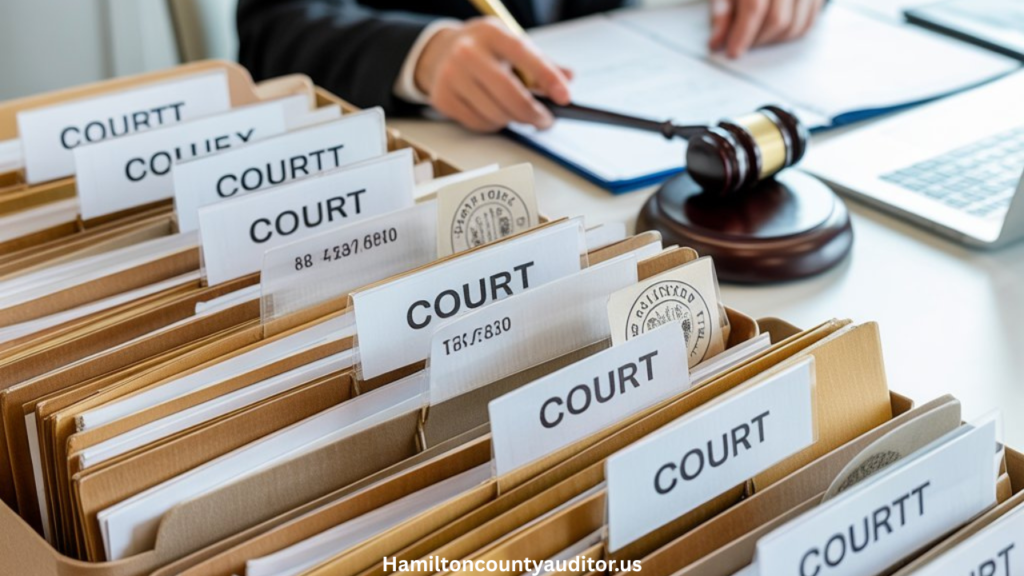
A court docket is the official record of all proceedings and filings in a legal case. Think of it as a detailed timeline or diary that tracks everything happening in a court case from start to finish. The court clerk maintains this legal docket as part of their official responsibilities, and it becomes a permanent part of the public record.
Key Information Found in a Court Docket
Every court case docket contains critical details that help track a case’s progress:
Case Identification:
- Case Number: A unique identifier assigned to each case (e.g., A-2401234)
- Case Type: Classification such as civil, criminal, family, or probate
- Filing Date: When the case was originally filed with the court
Party Information:
- Plaintiff/Petitioner Name: The person or entity initiating the lawsuit
- Defendant/Respondent Name: The person or entity being sued or charged
- Attorney Names: Legal representatives for both parties
- Case Status: Current stage (active, closed, pending, dismissed)
Court Proceedings Details:
- Judge Name: The presiding judge assigned to the case
- Hearing Dates: Scheduled court appearances and dates
- Court Orders: Official decisions and rulings issued by the judge
- Motion Filings: Requests submitted by attorneys to the court
- Dispositions: Final outcomes or current case status
This structured information makes the court case schedule easy to follow and provides transparency in judicial proceedings.
Types of Court Dockets
Understanding the different types of court dockets helps you search for the right records in the appropriate court system. Each docket type serves distinct legal purposes and contains specialized information.
Civil Court Docket
The civil court docket tracks disputes between individuals, businesses, or organizations seeking monetary damages or specific legal remedies. These cases don’t involve criminal charges.
Common Civil Cases:
- Personal injury claims and accidents
- Contract disputes and business litigation
- Property disputes and real estate matters
- Professional malpractice cases
- Employment disputes
- Landlord-tenant conflicts
Civil dockets typically show claim amounts, settlement discussions, trial dates, and judgments awarded. In Hamilton County, Ohio, the Court of Common Pleas General Division handles most civil litigation matters.
Criminal Court Docket
A criminal court docket documents cases where the state or federal government prosecutes individuals accused of violating criminal laws. These cases can range from misdemeanors to serious felonies.
Types of Criminal Cases:
- Felony charges (murder, robbery, drug trafficking)
- Misdemeanor offenses (theft, simple assault, DUI)
- Traffic violations requiring court appearances
- Probation violation hearings
- Sentencing proceedings
Criminal dockets show arrest dates, charges filed, bail information, plea agreements, trial schedules, and sentencing outcomes. The Hamilton County Court of Common Pleas Criminal Division handles felony cases, while municipal courts manage misdemeanors.
Family Court Docket
Family court dockets (often called Domestic Relations dockets) contain sensitive information about family law matters. These cases involve legal relationships between family members.
Family Law Cases Include:
- Divorce proceedings and legal separation
- Child custody and visitation rights
- Child support orders and modifications
- Spousal support (alimony) cases
- Adoption proceedings
- Domestic violence protective orders
- Paternity cases
Due to the sensitive nature, some family court records may have restricted access to protect minors and privacy. Hamilton County’s Domestic Relations Division maintains these specialized dockets.
Probate Court Docket
The probate court docket handles matters related to estates, guardianships, and competency issues. These cases often arise after someone’s death or when determining legal capacity.

Probate Cases Include:
- Estate administration and will probate
- Trust administration
- Guardianship appointments for minors or incapacitated adults
- Mental competency hearings
- Adoption proceedings (in some jurisdictions)
- Name change petitions
Hamilton County Probate Court maintains searchable online records for most probate cases, allowing you to view case dockets and specific document images dating back many years.
How to Search a Court Docket Online (Step-by-Step)
Searching for a court docket online has become increasingly accessible. Most counties, including Hamilton County, Ohio, now offer digital access to court records. Follow these steps to conduct an effective search:
Step 1: Identify the Correct Court and Website
First, determine which court system handles your case type:
- Common Pleas Court: Felonies, major civil cases, domestic relations
- Municipal Court: Misdemeanors, small civil claims, traffic cases
- Probate Court: Estates, guardianships, mental health cases
- Juvenile Court: Cases involving minors
For Hamilton County, Ohio, visit the official websites:
- Hamilton County Clerk of Courts (www.courtclerk.org) for Common Pleas cases
- Hamilton County Probate Court (www.probatect.org) for probate records
- Hamilton Municipal Court websites for misdemeanor and traffic cases
Step 2: Navigate to the Court Docket Search Tool
Once on the official court website, look for search options typically labeled:
- “Records Search”
- “Case Search”
- “Docket Search”
- “Court Records”
- “Public Access”
The Hamilton County Clerk of Courts provides both name search and case number search options on their records portal.
Step 3: Enter Your Search Information
You can typically search using several methods:
Search by Case Number:
- Enter the complete case number (most accurate method)
- Format: Letters followed by numbers (e.g., A-2401234, DR-230567)
- This returns exact matches quickly
Search by Party Name:
- Enter last name, first name
- Be aware of common names returning multiple results
- Try different spelling variations if needed
- May require additional filters like date range
Search by Attorney Name:
- Some systems allow searching by legal representative
- Useful when tracking multiple cases handled by one attorney
Step 4: Review Search Results
After submitting your search, you’ll see a results page displaying:
- Case number and title
- Filing date
- Case type
- Current status
- Party names
- Judge assigned
Click on the specific case to view the detailed docket.
Step 5: Read and Understand the Court Docket
The detailed legal docket shows chronological entries of all case activities. Each entry typically includes:
- Date of action
- Description of filing or hearing
- Party who filed the document
- Links to view actual documents (when available)
- Judge’s rulings and orders
Important Note: According to Ohio Rules of Superintendence, courts are not required to provide remote access to all documents. Some records may only be available by visiting the clerk’s office in person or submitting a formal record request.

Information You Can Find in a Court Docket
A comprehensive court case docket provides a wealth of information about legal proceedings. Understanding what’s available helps you research cases effectively.
Filing Dates and Deadlines
Every document submitted to the court receives a timestamp showing when it was filed. This includes initial complaints, answers, motions, and briefs. Tracking filing dates helps you understand case timelines and whether parties met legal deadlines.
Motions Filed by Attorneys
Motions are formal requests asking the judge to make specific decisions. Common motions include:
- Motion to Dismiss (requesting case termination)
- Motion for Summary Judgment (asking for judgment without trial)
- Motion to Compel Discovery (forcing evidence sharing)
- Motion to Continue (requesting postponement)
- Motion in Limine (excluding certain evidence at trial)
Each motion appears on the docket with its filing date and the court’s response.
Court Orders and Rulings
Judicial orders represent the judge’s official decisions on motions, case management, and procedural matters. These binding decisions appear in the docket and may include:
- Temporary restraining orders
- Scheduling orders setting case timelines
- Discovery orders governing evidence exchange
- Protective orders limiting information disclosure
- Final judgments concluding the case
Upcoming Hearings and Trial Dates
The court case schedule section shows future court appearances including:
- Status conferences
- Pretrial hearings
- Motion hearings
- Settlement conferences
- Trial dates
- Sentencing hearings (criminal cases)
Hearing dates may change, so checking the docket regularly ensures you have current scheduling information.
Case Outcome and Disposition
The docket’s final entries document how the case concluded:
- Dismissed: Case terminated without judgment
- Settled: Parties reached agreement
- Judgment for Plaintiff/Defendant: Court decision after trial
- Guilty/Not Guilty: Criminal case verdict
- Conviction with Sentence: Criminal judgment with penalties
- Appeal Filed: Case moving to higher court
These dispositions provide closure to the case record and indicate the final result of litigation.
Party and Attorney Information
Throughout the docket, you’ll find contact information for:
- Attorneys of record representing each party
- Pro se litigants (self-represented parties)
- Changes in legal representation
- Withdrawals of counsel
This information is crucial for anyone needing to contact parties involved in litigation.
| Docket Information Type | What It Shows | Why It Matters |
|---|---|---|
| Case Number | Unique identifier | Locates specific case |
| Filing Dates | When documents submitted | Tracks timeline and deadlines |
| Motions | Formal requests to court | Shows legal strategy |
| Court Orders | Judge’s decisions | Indicates case direction |
| Hearing Dates | Scheduled appearances | Attendance information |
| Case Status | Current stage | Shows if active or closed |
| Party Names | Who’s involved | Identifies litigants |
| Attorney Info | Legal representatives | Contact information |
| Disposition | Final outcome | Case resolution |
Why Court Dockets Are Important
Understanding the significance of court dockets helps explain why public access to these records matters for various stakeholders in society.
For Property Buyers and Real Estate Transactions
When purchasing real estate, researching court dockets protects your investment. Checking property-related litigation reveals:
- Pending lawsuits against the seller
- Property boundary disputes
- Liens and judgments against the property
- Foreclosure proceedings
- Construction defect claims
- Easement disputes
Title companies routinely search court records as part of due diligence, but individual buyers benefit from independent verification. Hamilton County property transactions often involve checking civil dockets for any litigation affecting clear title.
For Legal Researchers and Attorneys
Legal professionals rely on court dockets daily for:
- Case law research and precedent analysis
- Monitoring opposing counsel’s filings
- Tracking case progress for clients
- Identifying potential witnesses or experts
- Understanding judicial preferences and rulings
- Preparing for hearings with knowledge of past decisions
Law firms use docket monitoring services to stay informed about cases affecting their clients or practice areas.
For Journalists and Media Professionals
Investigative journalists access court dockets to:
- Report on criminal proceedings accurately
- Investigate public corruption cases
- Track civil litigation involving public figures
- Verify claims made by parties in disputes
- Provide transparency about judicial proceedings
- Research background for investigative stories
The public nature of court dockets ensures media can fulfill their watchdog role in democratic society.
For General Public and Background Checks
Individual citizens search court dockets for various legitimate purposes:
- Employment Screening: Employers verify candidate backgrounds
- Tenant Screening: Landlords check rental applicants
- Personal Safety: Researching restraining orders or criminal history
- Public Interest: Monitoring government accountability
- Legal Education: Understanding how courts function
- Genealogy Research: Finding historical family records
This accessibility promotes transparency and informed decision-making in communities. The Ohio Public Records Act supports citizens’ rights to access court information, though certain sensitive cases may have restricted access.
Building Public Trust in the Justice System
Court docket transparency serves democracy by:
- Ensuring judicial accountability
- Preventing secret proceedings (with limited exceptions)
- Allowing public scrutiny of legal decisions
- Demonstrating equal treatment under law
- Supporting civic education about the legal system
When citizens can verify how courts operate, trust in judicial institutions strengthens.

Are Court Dockets Public Records?
Understanding public access rights to court dockets involves knowing both the general principle of transparency and the specific exceptions that protect sensitive information.
The Public Record Principle
In the United States, court proceedings are generally presumed open to the public. This fundamental principle stems from the First Amendment and common law traditions supporting judicial transparency. Court dockets, as official records of these proceedings, typically qualify as public records accessible to anyone.
The Ohio Public Records Act reinforces this transparency by requiring government entities, including courts, to make their records available for public inspection. Hamilton County courts provide online access to many court dockets free of charge, reflecting this commitment to openness.
When Are Records Accessible?
Most court dockets become immediately accessible once filed. This includes:
- Civil litigation between private parties
- Criminal prosecutions (with exceptions)
- Probate proceedings
- Most family law cases
- Appeals and post-judgment motions
Online access through county clerk websites has dramatically improved public access, allowing searches from home rather than requiring courthouse visits.
Important Exceptions and Sealed Cases
Despite the general rule of openness, several categories of cases have restricted access:
Juvenile Cases: Records involving minors charged with crimes or involved in dependency proceedings typically have restricted access to protect the child’s privacy and rehabilitation prospects. Ohio law specifically limits juvenile court record disclosure.
Mental Health Proceedings: Cases involving involuntary commitment or competency evaluations may have limited public access to protect individuals’ medical privacy. However, Hamilton County Probate Court does provide searchable mental health case indexes with some basic information.
Trade Secrets and Confidential Business Information: Courts may seal portions of commercial litigation containing proprietary business information, though the existence of the case remains public.
National Security Cases: Federal courts may restrict access to cases involving classified information or national security matters.
Sealed by Court Order: Judges can seal specific documents or entire cases when compelling reasons exist, such as:
- Protecting victims of sexual assault
- Safeguarding witness identities in dangerous cases
- Preventing disclosure of confidential settlements
- Protecting personal identifying information
Domestic Violence Cases: While divorce dockets are generally public, certain domestic violence records may have restricted access to protect victims’ safety and location information.
State-by-State Differences
Public access rules vary by state. Some jurisdictions provide more extensive online access than others. In Ohio:
- Hamilton County offers comprehensive online searching for most case types
- Some older records may require in-person access
- Certain document types might not be available remotely, requiring clerk’s office visits
- Fees may apply for certified copies, though basic docket viewing is typically free
States like Ohio have relatively strong public records laws, while other states restrict access more extensively. Always check specific local court rules for access policies.
Accessing Sealed or Restricted Records
If you need access to sealed records, you may:
- File a motion with the court explaining why access is necessary
- Demonstrate legitimate legal or research purposes
- Obtain consent from parties involved in the case
- Work with attorneys who can access certain restricted materials
Courts balance transparency with privacy, ensuring legitimate interests are protected while maintaining public trust in the judicial system.
Common Problems When Searching Court Dockets
Even with online access, searching court dockets can present challenges. Understanding common issues helps you conduct more effective searches.
Old Cases Not Updated or Digitized
Many court systems only digitized records from recent years, leaving older cases in paper-only formats. In Hamilton County:
- Recent cases typically have comprehensive online dockets
- Cases from the 1990s and earlier may require in-person research
- Some courts have ongoing digitization projects, but progress varies
- Archive searches may be available for historical probate records
Solution: If you need older records, contact the clerk’s office directly to inquire about archive access or request copies of specific documents.
Name Spelling and Variation Issues
Names can appear in court records with various spellings, creating search difficulties:
- Common misspellings (Smith vs. Smyth, Johnson vs. Johnsen)
- Nicknames used instead of legal names (Bob vs. Robert)
- Hyphenated names appearing with or without hyphens
- Middle names sometimes included, sometimes omitted
- Name changes due to marriage or legal proceedings
- Typographical errors in original filings
Solution: Try multiple spelling variations. Search using just the last name initially, then narrow results. If you have the case number, use that instead for definitive results.
Multiple People with the Same Name
Common names like “John Smith” or “Maria Garcia” may return dozens or hundreds of results, making it difficult to identify the correct person.
Challenges Include:
- No birth dates shown in search results
- Limited identifying information in initial search
- Similar or identical names in the same time period
- Common names generating overwhelming result lists
Solution: Use additional identifying information to narrow results:
- Add middle name or initial if known
- Use approximate filing date ranges
- Include case type filters (civil, criminal, family)
- If you have partial case number information, use it
- Cross-reference with known addresses or attorney names
- Consider the logical court division based on case type
Technical Issues and System Limitations
Online court docket systems sometimes experience technical problems:
- Website downtime or slow performance
- Search functions that don’t work as expected
- Broken links to document images
- Timeout errors during searches
- Incomplete records or missing documents
- Compatibility issues with certain browsers
Solution: Try accessing the system during off-peak hours (early morning or evening). If technical problems persist, contact the clerk’s office for assistance or consider in-person research as an alternative.
Access Restrictions and Limited Remote Availability
According to Ohio Rules of Superintendence, clerks aren’t required to provide remote access to all case files or documents. You may encounter:
- Docket entries visible but documents not available online
- Messages stating certain records require in-person access
- Partial case information available remotely
- Newer filings not yet processed or scanned
Solution: If documents aren’t available online, you can visit the clerk’s office during business hours or submit an online request for copies of specific records. Fees typically apply for document copies.
Understanding Legal Terminology
Court dockets use specialized legal language that can confuse non-lawyers:
- Latin phrases (ex parte, in rem, sua sponte)
- Procedural terminology (demurrer, interrogatories, deposition)
- Case status terms (disposed, dismissed with prejudice, nolle prosequi)
- Motion types with technical names
Solution: Research unfamiliar terms using legal dictionaries or glossaries. Many court websites provide guides explaining common terms. When in doubt, consult with a legal professional for clarification.
| Common Problem | Impact | Solution |
|---|---|---|
| Old cases not digitized | Can’t find historical records | Contact clerk’s office for archive access |
| Name spelling variations | Missed search results | Try multiple spelling variants |
| Common names | Too many results | Add filters, date ranges, case types |
| Technical glitches | System errors or downtime | Try off-peak hours, use alternative methods |
| Limited remote access | Documents not available online | Visit courthouse or request copies |
| Legal jargon | Confusion about case status | Use legal dictionaries, seek guidance |
Tips to Find Accurate Court Docket Information
Conducting effective court docket research requires strategy and attention to detail. These proven techniques improve search accuracy and efficiency.
Always Use the Case Number When Available
The case number is the most reliable search method because it’s unique to each case. Unlike names that may have variations or duplicates, a case number returns exactly one result.
Benefits:
- Eliminates confusion from multiple people with similar names
- Provides immediate access to the correct case
- Shows complete case history instantly
- Reduces time spent filtering irrelevant results
If you have the case number from previous correspondence, court documents, or online research, always use it as your primary search parameter.
Select the Correct County and Court Division
Court cases are filed in specific jurisdictions based on where events occurred or where parties reside. Searching the wrong county yields no results even if the case exists elsewhere.
Key Considerations:
- Verify where the incident occurred or where the defendant resides
- Identify the appropriate court level (Common Pleas, Municipal, Probate)
- Understand that Hamilton County, Ohio courts are separate from Hamilton County courts in other states
- Know that Common Pleas and Municipal courts have different jurisdictions
Hamilton County, Ohio Court Structure:
- Common Pleas Court: Felonies, major civil cases over certain amounts, domestic relations
- Municipal Courts: Misdemeanors, small civil claims, traffic violations
- Probate Court: Estates, guardianships, adoptions, mental health
- Juvenile Court: Delinquency, custody, abuse/neglect involving minors
Selecting the wrong court division wastes time and may lead to incorrect conclusions about case existence.
Prefer Official Court Websites Over Third-Party Sites
While many commercial websites offer court record searches, official court websites provide the most accurate and complete information.
Advantages of Official Sources:
- Information directly from the court’s database
- No fees for basic docket viewing
- Most current information available
- Complete case history without filtering
- Trustworthy and legally reliable
Risks of Third-Party Sites:
- Information may be outdated or incomplete
- Often charge fees for information available free from courts
- May misrepresent case details or status
- Privacy concerns with sharing personal information
- No guarantee of accuracy
Hamilton County Official Resources:
- Hamilton County Clerk of Courts (www.courtclerk.org)
- Hamilton County Probate Court (www.probatect.org)
- Individual municipal court websites
Verify Information Through Multiple Sources
When accuracy is critical, cross-reference information from different sources:
- Compare online docket to physical courthouse records when possible
- Verify case numbers match across all documents
- Check related cases that might provide additional context
- Contact the clerk’s office to confirm critical information
This is especially important for legal proceedings, property transactions, or employment decisions where accuracy is essential.
Use Exact Case Information and Proper Formatting
Court systems often require specific formatting for successful searches:
- Enter case numbers exactly as shown (including dashes, letters, spaces)
- Use proper capitalization in name searches
- Include middle initials when known
- Format dates according to system requirements (MM/DD/YYYY)
- Don’t add extra punctuation or abbreviations
Small formatting errors can cause searches to fail even when the correct information is entered.
Check Multiple Time Periods
If your initial search doesn’t yield results:
- Expand date ranges to capture filings you might have missed
- Remember that case filing dates may differ from incident dates
- Consider that appeals create new case numbers in different courts
- Search older date ranges for historical cases
Document Your Searches
When conducting important research:
- Save or print docket pages for your records
- Note the date and time you accessed the information
- Record case numbers and key findings
- Screenshot critical information (note: screenshots aren’t certified copies)
- Keep track of which databases you’ve searched
This documentation proves valuable if information changes or if you need to reference your research later.
Understand the Difference Between Docket View and Document Access
Viewing the docket (list of case activities) is typically free, but:
- Accessing actual filed documents may require fees
- Some documents aren’t available online at all
- Certified copies always require payment
- Official court records for legal purposes need certification
Plan accordingly if you need more than just docket information.
Know When to Seek Professional Help
Complex cases or critical legal matters may warrant professional assistance:
- Attorneys: Interpret legal significance of docket entries
- Legal Researchers: Conduct comprehensive multi-jurisdictional searches
- Private Investigators: Access additional databases and conduct field research
- Court Clerks: Clarify court procedures and record availability
Professional help can save time and ensure you don’t miss crucial information.
Frequently Asked Questions (FAQs)
What is a court docket number?
A court docket number is a unique identifier assigned to each case filed with the court. It typically consists of letters and numbers indicating the court division, year filed, and sequential case number. For example, “A-2401234” might represent a case filed in 2024 in the civil division. This number appears on all documents in the case and is used to track and organize court records. The docket number remains with the case throughout all proceedings, from initial filing through appeal.
How often are court dockets updated?
Court docket update frequency varies by jurisdiction and case volume. Most courts aim to update their online dockets within 24 hours of receiving new filings or after hearings occur. However, delays can happen during high-volume periods or for complex documents requiring clerk review. In Hamilton County, Ohio, most dockets reflect recent activity within one to two business days, though the court notes that delays may occur. For time-sensitive matters, calling the clerk’s office to verify current status is advisable rather than relying solely on online information.
Can I access court dockets for free?
Yes, viewing court dockets online is typically free through official county court websites. In Hamilton County, Ohio, the Clerk of Courts provides free access to search and view case dockets for civil, criminal, domestic relations, and probate cases. However, while viewing basic docket information costs nothing, there may be fees for obtaining certified copies of documents, requesting extensive record searches, or accessing archived materials not available online. Third-party commercial websites often charge subscription or per-search fees for information available free from official sources.
Are online court dockets accurate?
Online court dockets are generally accurate as they pull directly from the court’s official database. However, several factors can affect reliability. There’s typically a delay between when something happens in court and when it appears online, sometimes 24-48 hours or longer. Data entry errors occasionally occur during manual input. Technical glitches may temporarily affect display. Older cases may have incomplete online records. For legally significant matters requiring verified accuracy, it’s best to obtain certified copies directly from the clerk’s office or verify information by contacting the court directly. Online dockets serve as excellent research tools but shouldn’t be the sole source for critical legal decisions.
What’s the difference between a court docket and a case file?
A court docket is a chronological index or summary listing all actions taken in a case, showing dates, types of filings, and brief descriptions. It’s like a table of contents for the case. The case file, in contrast, contains the actual documents filed in the case including complaints, motions, evidence, transcripts, and court orders. Think of the docket as the roadmap showing what exists in the case, while the file contains the full documents themselves. You might be able to see from the docket that a motion was filed, but you’d need to access the case file to read the motion’s complete text and arguments.
How long do courts keep docket records?
Court record retention varies by case type and jurisdiction. Most courts maintain records permanently for serious criminal cases, major civil litigation, and family law matters involving children. In Ohio, courts must retain records according to schedules established by the Ohio Supreme Court. Hamilton County maintains accessible records for recent years online, with older records archived. Civil case records are typically kept for decades. Criminal records, especially felonies, are maintained indefinitely. Probate records often remain accessible permanently as they constitute important property and family history records. Some very old cases may exist only in physical archives requiring special access procedures.
Can employers see my court docket?
Yes, court dockets are public records that employers can access during background checks. Criminal convictions appearing on your docket may be visible to potential employers. However, certain records may be sealed or expunged, removing them from public view. Juvenile records often have restricted access. Some states limit how far back employers can consider criminal records or prohibit using certain older convictions in hiring decisions. If you have concerns about records affecting employment, consulting with an attorney about expungement or sealing options may be beneficial. Being honest with employers about past legal issues, when relevant, often demonstrates integrity.
How do I find court dockets from other states?
Each state and county maintains its own court system with separate record-keeping. To find dockets from other jurisdictions, identify the specific county and state where the case was filed, then visit that county’s clerk of court website. Many states have centralized online portals providing access to multiple county records. The National Center for State Courts website (ncsc.org) offers links to court websites nationwide. Private services like PACER (for federal courts) aggregate records, though fees may apply. Remember that access rules, search capabilities, and available information vary significantly between jurisdictions.
Conclusion
Understanding court dockets empowers you to access vital legal information transparently and efficiently. Whether you’re researching property transactions, conducting background checks, monitoring legal proceedings, or simply exercising your right to public information, court dockets provide invaluable insights into how the justice system operates. Hamilton County, Ohio, like most jurisdictions, offers accessible online resources for searching court records across civil, criminal, family, and probate cases.
Remember to use official court websites for the most accurate and current information, verify case numbers carefully, and understand the limitations of online access. When accuracy is critical, don’t hesitate to contact the clerk’s office directly or consult with legal professionals. Court dockets represent a cornerstone of judicial transparency, ensuring that legal proceedings remain open to public scrutiny and maintaining accountability in our democratic society. By following the tips and strategies outlined in this guide, you’ll be well-equipped to navigate court docket searches effectively and make informed decisions based on reliable legal information.

Pingback: What Does a County Auditor Do in Hamilton County, Ohio?
Pingback: Hamilton County Property Tax - Look Up & Pay Now
Pingback: Access Hamilton County Clerk of Courts Instantly - 2026 Guide